Rubbish collection Finchley Road Swiss Cottage
Posted on 27/07/2026
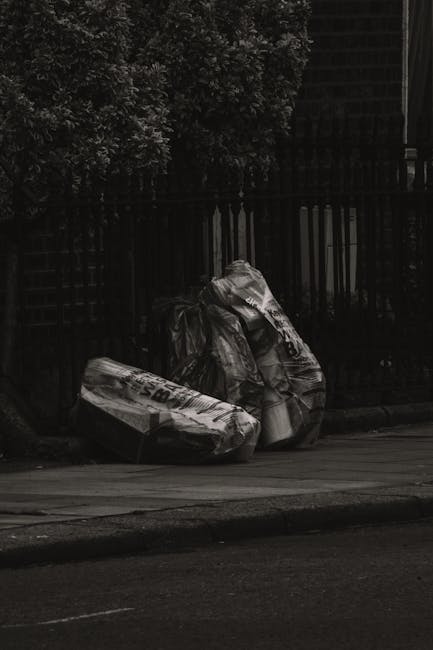
Rubbish collection Finchley Road Swiss Cottage: a practical local guide for homes, flats and businesses
If you live, work, or manage property around Finchley Road in Swiss Cottage, rubbish has a way of arriving when you least want it. A broken wardrobe in the hallway, a pile of builder's offcuts after a refit, a few black bags that suddenly won't fit in the bin store - it all adds up fast. That is where Rubbish collection Finchley Road Swiss Cottage becomes more than a convenience. It is a simple, reliable way to keep a busy part of London tidy, safe, and usable.
This guide explains how rubbish collection works in the area, who it suits, what to expect, and how to choose the right approach without overpaying or creating avoidable hassle. You will also find a step-by-step process, a practical checklist, a comparison table, and a few sensible compliance pointers so you can make a confident decision. Let's face it, waste removal is never the fun bit - but it can be the easy bit.
Why Rubbish collection Finchley Road Swiss Cottage matters
Finchley Road is a high-traffic stretch with a mix of apartments, period homes, shops, offices, cafes, and blocks with shared access. That mix creates a very specific waste challenge: rubbish builds up quickly, collection windows can be awkward, and storage space is often limited. In a flat with narrow stairwells, a bulky item can feel bigger than the room itself.
Good rubbish collection is not just about clearing clutter. It helps reduce fire risk, avoids obstruction in communal areas, keeps bin stores cleaner, and makes day-to-day life feel less cramped. For landlords, agents, and managing agents, it also helps prevent complaints from residents and neighbours. For businesses, it supports a tidier frontage and a more professional first impression.
There is also the local reality of timing. In a place like Swiss Cottage, people want work done with minimum fuss, often before work, between appointments, or during a small gap in a moving schedule. Fast, organised collection matters because delays are expensive in time and energy, even when the actual load is small. You feel the difference straight away.
How Rubbish collection Finchley Road Swiss Cottage works
The process is usually straightforward, but it works best when the waste is described clearly from the start. Most collection jobs begin with a brief assessment of what needs removing, where it is located, and whether any special handling is needed. That could be a single sofa, several bin bags, old office furniture, or mixed household waste after a clear-out.
A proper collection service will normally consider:
- the type of waste, such as domestic rubbish, bulky items, garden waste, or builders waste
- the volume, which helps determine the vehicle size or number of collections needed
- access, including stairs, lifts, parking restrictions, loading space, and timing
- whether items need dismantling or careful handling
- what can be reused, recycled, or disposed of separately
For many customers, the real value is not lifting a bag from A to B. It is having someone else handle the awkward part: carrying items down flights of stairs, navigating tight entrances, or making sure everything is sorted properly afterward. If you have ever tried to move a heavy cabinet through a compact London hallway, you will know the drama.
Some jobs are one-off collections. Others are part of a wider clearance, especially when a tenancy ends, an office relocates, or a property is being prepared for sale. In those cases, rubbish collection often sits alongside broader services like waste clearance in Swiss Cottage or house clearance in Swiss Cottage.
Key benefits and practical advantages
The strongest reason people use rubbish collection is simple: it saves time and reduces stress. But there are some less obvious benefits too.
- Cleaner spaces: rubbish is removed before it becomes a larger mess or a smell problem.
- Safer access: clutter in communal areas, hallways, and entrances is cleared more quickly.
- Better recycling outcomes: reusable or recyclable items can be separated rather than mixed in with general waste.
- Less disruption: a well-planned visit is usually faster than multiple trips to a skip or local tip.
- More flexibility: collections can often be arranged to suit building access, business hours, or moving schedules.
There is also a practical money-saving angle. People sometimes think the cheapest option is to do everything themselves. Sometimes it is. But when you factor in van hire, fuel, parking, lifting time, and the risk of damaging a wall or item, a professional collection can be the calmer and smarter choice. Not always - but often enough.
If you are comparing services, it is worth reviewing how the provider explains its process and scope. A general overview like services overview can help you understand where collection fits among broader disposal and clearance options.
Who this is for and when it makes sense
Rubbish collection around Finchley Road and Swiss Cottage is useful for a surprisingly wide range of people. It is not just for big clear-outs.
Homeowners and tenants often need help after furniture upgrades, decorating, moving home, or clearing out storage space. A few bags, a mattress, and one broken table can quickly become a job that is awkward to deal with alone.
Landlords and letting agents use collection services between tenancies, after left-behind items are discovered, or before a property goes back on the market. A tidy flat photographs better too, which sounds obvious but makes a real difference.
Businesses need rubbish collection for everyday overflow, office moves, stockroom clear-outs, and refurbishments. If you run a small office or retail space on or near Finchley Road, regular, tidy removal can keep the place running properly. For larger commercial needs, see commercial waste removal in Swiss Cottage or office clearance in Swiss Cottage.
Builders and tradespeople may need collection after a small renovation, especially when skips are impractical or there is not enough room for long-term storage. In those cases, builders waste disposal in Swiss Cottage is often the more efficient route.
When does it make sense? Usually when the waste is too bulky, too much, too awkward, or too urgent for normal household disposal. If the pile is becoming a daily annoyance, that is usually the clue.
Step-by-step guidance
Here is the simplest way to approach rubbish collection without overcomplicating it.
- List what needs to go. Be specific. "Old stuff" is not very helpful. "Two wardrobes, a broken desk, six bags of mixed waste, and a dismantled bed frame" is much better.
- Separate obvious categories. If you can keep furniture, appliances, and general rubbish apart, the collection is easier to plan and often easier to process.
- Check access. Note stairs, lift availability, parking, and whether the collection point is inside a building or outside on the pavement.
- Choose the right service. A simple rubbish pickup may be enough, or you may need a more complete waste disposal in Swiss Cottage option.
- Ask about sorting and recycling. A responsible provider should explain what happens to the waste once it is collected.
- Confirm timing and any restrictions. If access is limited to certain hours, say so early. It saves everyone a headache.
- Prepare the load. Move items to a sensible point if you can, but do not risk injury just to save a few minutes.
- Keep documentation. For business or landlord use, keep the invoice and any disposal notes for your records.
One small but useful habit: take a quick photo of the rubbish before collection. It is not about paperwork for paperwork's sake. It just helps prevent misunderstandings if the load changes or if there is a disputed item on the day.
Expert tips for better results
In our experience, the smoothest collections are the ones where the customer gives enough detail upfront. That does not mean writing a novel. Just be clear. The more the team knows, the fewer surprises everyone gets.
Tip 1: Mention awkward items early. Fridges, washing machines, mattresses, and heavy wardrobes can need different handling. If an item is unusually large or still partly assembled, say so.
Tip 2: Think in terms of access, not just volume. A small pile on the top floor of a block can take longer than a larger pile at ground level. Access often matters more than people expect.
Tip 3: Group by room if you can. Even a rough split - bedroom, kitchen, office, loft - helps the collection team work quickly and reduces confusion when you are under pressure.
Tip 4: Don't wait until the rubbish becomes "everyone's problem." Shared spaces get messy fast. If a bin store or hallway starts attracting complaints, it is usually better to act before it becomes a dispute.
Tip 5: Ask what can be reused or recycled. It is a small question, but it often reveals whether the service is organised and environmentally minded. If sustainability matters to you, it should be easy to talk about. A useful reference point is recycling and sustainability.
Good rubbish collection is not flashy. It is quiet, tidy, and dependable. That is exactly why it works.

Common mistakes to avoid
The most common mistakes are surprisingly basic, but they cause most of the frustration.
- Vague descriptions: saying "a few things" when there is actually a full room of rubbish leads to delays or revised pricing.
- Ignoring access issues: if parking is tight on Finchley Road or a lift is out of service, the job may take longer than expected.
- Mixing hazardous items with general waste: certain items need separate handling and should never be casually bundled in.
- Leaving everything until the last minute: especially during a move or refurb, this turns one job into a stressful scramble.
- Assuming all rubbish is handled the same way: furniture, appliances, green waste, and mixed rubbish can require different treatment.
Another mistake? Choosing the first service without checking whether it is properly insured, compliant, and clear about collection terms. Cheap can be fine. Unclear is not. There is a difference.
Tools, resources and recommendations
You do not need a toolbox full of specialist equipment for a normal collection, but a few simple things help make the process easier.
- Basic sorting bags or boxes: useful for separating mixed items before the team arrives.
- Labels or notes: especially helpful in offices or house clearances where multiple people have added items.
- Measuring tape: if you are dealing with bulky furniture, dimensions can help avoid surprises.
- Phone camera: a quick photo of the waste load, access route, or stairwell can make planning simpler.
- Reusable gloves and dust masks: only if you are moving a few safe items yourself before collection.
For service planning, a practical starting point is to look at the provider's general approach in rubbish collection in Swiss Cottage, then compare it with related services such as domestic waste collection in Swiss Cottage or furniture removal in Swiss Cottage if your load includes bulky items.
If you are dealing with appliances, a dedicated option such as white goods and appliance disposal in Swiss Cottage is often more appropriate than general rubbish collection. That sounds fussy, but it really helps avoid mishandling.
Law, compliance, standards and best practice
Rubbish collection is not just a practical service; it also sits within a framework of UK waste handling expectations. You do not need to be an expert in waste law to make a sensible choice, but a few basics matter.
A legitimate waste collector should be able to explain how waste is transported, handled, and transferred for further treatment or disposal. For business customers and landlords especially, keeping records is a sensible best practice. It helps show that waste was passed to a proper carrier and dealt with responsibly.
It is also sensible to check whether a provider is comfortable discussing insurance, safety, and licensing. A clear, no-nonsense explanation is usually a good sign. You can review supporting pages such as waste carrier licence and compliance and insurance and safety.
For residents and businesses in mixed-use areas like Finchley Road, best practice also means minimising nuisance. That includes keeping loading times efficient, avoiding blockages in shared entrances, and respecting neighbours when collections take place early or late. A little consideration goes a long way in London. It really does.
Options, methods, or comparison table
There are a few common ways to handle rubbish around Finchley Road Swiss Cottage. The right one depends on volume, urgency, access, and the kind of waste you have.
| Option | Best for | Strengths | Limitations |
|---|---|---|---|
| Regular bin disposal | Small, routine household waste | Simple, low effort, no special booking | Not suitable for bulky items or overflow |
| Skip hire | Larger DIY or refurbishment jobs | Good for ongoing projects and mixed material | Needs space, permits may be needed, can be less flexible |
| Rubbish collection service | Bulky, mixed, urgent or access-sensitive waste | Fast, flexible, labour included, less disruption | May be less cost-effective for very large project waste |
| Full clearance service | House, loft, office or end-of-tenancy clearances | Useful when many items need removing at once | More comprehensive than needed for a small job |
For a one-off collection on Finchley Road, many people prefer the flexibility of a collection crew over a skip. If the job is bigger, a more complete clearance may be better. If you are somewhere in the middle, ask for pricing and scope before making assumptions. The details matter.
That is also why it helps to look at pricing and quotes early on. A clear quote is not just about the total figure; it also tells you what is included.
Case study or real-world example
Picture a typical Swiss Cottage flat just off Finchley Road. A couple are moving out after several years, and the flat has quietly accumulated a lot of life: a spare chair nobody sits on, a desk with one broken drawer, two shelves of mixed clutter, and a few bags of old packaging from a recent furniture delivery. Nothing dramatic. Just enough to become annoying.
At first they think they can manage it over a few weekends. Then the lift booking clashes with work, the hallway gets crowded, and the wardrobe they planned to keep turns out to be too awkward to dismantle safely. In the end, they book rubbish collection rather than trying to do a slow, piecemeal clear-out.
The useful part is not the fact that the items leave the building. It is the way the problem disappears in one go. The hallway is clear, the flat feels bigger, and the move stops feeling like a never-ending chore. A little boring maybe, but deeply satisfying.
For a business example, think of a small office near Swiss Cottage Underground after a desk refresh. Old chairs, monitor packaging, and a few broken filing pieces can be cleared in one visit rather than sitting around for days. That is where a service such as office clearance in Swiss Cottage can be a better fit than repeated ad hoc disposal.
Practical checklist
Use this quick checklist before your rubbish collection appointment.
- Have you listed every item to be removed?
- Have you separated furniture, appliances, and general rubbish where possible?
- Is access clear from the collection point to the exit?
- Have you checked parking, loading space, and building restrictions?
- Do you know whether any items need special handling?
- Have you confirmed the timing and collection window?
- Have you asked about recycling or reuse where relevant?
- Do you have the quote, invoice, or job reference saved?
- Will someone be present to give access if needed?
- Have you removed valuables, documents, or personal items from the load?
If you can tick most of those off, the collection day tends to go smoothly. Not perfect, because real life rarely is, but smoothly enough.
Get a free quote today and see how much you can save.
Conclusion
Rubbish collection Finchley Road Swiss Cottage is really about making busy London life simpler. Whether you are clearing a flat, dealing with office waste, moving bulky furniture, or just reclaiming space, the best service is the one that is clear, careful, and easy to work with.
The main thing to remember is this: describe the job properly, check access, choose the right service level, and look for a provider that treats compliance and recycling as standard rather than an afterthought. That approach saves time, reduces stress, and usually delivers a better outcome than improvising at the last minute.
And honestly, there is something genuinely satisfying about seeing a cluttered corner turn into an empty one. Space changes how a place feels. A clean hallway, an uncluttered office, a tidy entryway - those little wins add up.
For nearby residents, property managers, and local businesses, the right rubbish collection service can make a very visible difference without demanding much from you at all. Which, on a hectic day in Swiss Cottage, is no bad thing.


 Tipper Van - Rubbish Removal and Attic Clearance Prices in Swiss Cottage, NW3
 Luton Van - Rubbish Removal and Attic Clearance Prices in Swiss Cottage, NW3