Garden waste removal Avenue Road Swiss Cottage
Posted on 12/08/2026
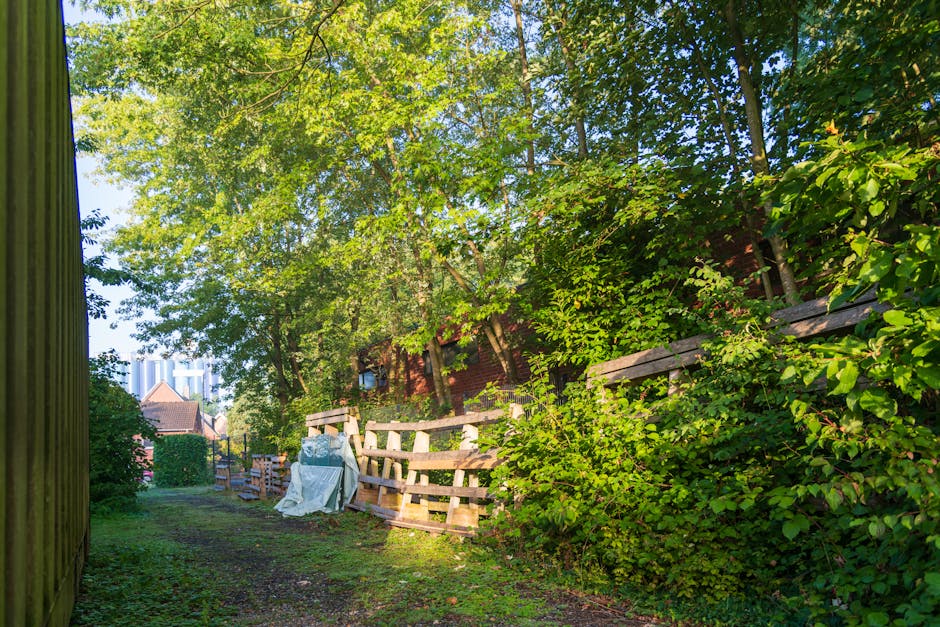
If your front garden, rear patio, or communal outdoor space is starting to look a little overgrown, you are not alone. Garden waste removal Avenue Road Swiss Cottage is one of those jobs that sounds straightforward until you're actually standing beside a pile of hedge trimmings, broken planters, soil bags, and branches that somehow got bigger once they were cut down. Truth be told, the difference between a tidy outdoor space and a half-finished one is often just a proper clear-up.
This guide explains how garden waste removal works in Avenue Road and the wider Swiss Cottage area, what can be collected, how to prepare materials safely, and how to choose a service that feels reliable rather than rushed. We'll also cover practical tips, common mistakes, and the small details that matter when you want the job done neatly the first time.
- Why Garden waste removal Avenue Road Swiss Cottage Matters
- How Garden waste removal Avenue Road Swiss Cottage Works
- Key Benefits and Practical Advantages
- Who This Is For and When It Makes Sense
- Step-by-Step Guidance
- Expert Tips for Better Results
- Common Mistakes to Avoid
- Tools, Resources and Recommendations
- Law, Compliance, Standards, or Best Practice
- Options, Methods, or Comparison Table
- Case Study or Real-World Example
- Practical Checklist
- Conclusion
- Frequently Asked Questions
Why Garden waste removal Avenue Road Swiss Cottage Matters
Garden waste builds up fast. One weekend of pruning can leave you with a heap of green waste that is awkward to store, messy to move, and not something you want sitting around for days. On Avenue Road, where homes, shared entrances, and nearby streets can already feel busy, fast removal makes a real difference to how tidy and usable a property feels.
It matters for more than appearances. Garden waste can attract pests if it is left damp and compacted. It can also become slippery underfoot, block paths, and make simple jobs harder than they need to be. If you've ever tried to carry a thorny shrub bundle through a narrow side return, you'll know what I mean. Not fun.
There's also the practical side of London living. Many residents prefer not to keep bin bags or loose branches in small outdoor spaces, especially when weather changes quickly. A strong wind on a Tuesday morning can turn a neat pile into a small mess everywhere. Proper removal keeps things controlled, and that control is often the whole point.
If your household, landlord, or managing agent is looking at broader clearance work, it can be useful to explore general waste clearance in Swiss Cottage alongside outdoor collection, especially when the garden clean-up is part of a bigger tidy-up project.
How Garden waste removal Avenue Road Swiss Cottage Works
In most cases, the process is refreshingly simple. You gather the garden waste, it gets assessed, and then it is removed for recycling or responsible disposal. The details vary depending on volume, access, and the type of material, but the basic flow stays the same.
Usually, a garden waste collection includes items such as hedge cuttings, grass clippings, leaves, small branches, weeds, and other organic green waste. Some services can also handle bagged soil, turf, broken garden furniture, or old pots, though it is always best to separate those from pure green waste where possible. Mixed loads are fine in many situations, but they can affect how the waste is processed.
Access is often the part people underestimate. Avenue Road properties may have driveways, front steps, side access, or shared walkways. The smoother the access, the easier and quicker the removal. If materials are already bagged or stacked neatly, the team can usually work faster. If not, no drama, but it may take a little longer.
For larger clearances, some customers choose to combine garden waste with rubbish collection in Swiss Cottage or broader waste disposal services so one visit takes care of everything at once.
Key Benefits and Practical Advantages
A well-handled garden waste removal does more than empty a pile. It saves time, reduces mess, and helps keep your outdoor areas genuinely usable. That sounds obvious, but in practice the difference is huge.
- Less physical strain: Heavy bags of wet clippings or soil are awkward to move, especially down steps or through tight passages.
- Cleaner surroundings: Removing waste quickly stops mud, leaf litter, and loose debris from spreading through the property.
- Better presentation: Helpful for homeowners, landlords, and anyone preparing a property for sale or rent.
- Safer pathways: Clearing branches and trimmings reduces trip hazards around entrances, patios, and garden routes.
- Responsible processing: Green waste is often separated for composting or recycling where suitable.
There's a softer benefit too: it simply feels better. You step outside in the morning, maybe with a coffee, and the space looks cared for rather than half-finished. That little shift can make the whole property feel calmer.
For some households, the real advantage is speed. A lot of people would rather have one clear-up session and be done with it. Fair enough. Weekends are short.
Who This Is For and When It Makes Sense
Garden waste removal Avenue Road Swiss Cottage makes sense for a surprisingly wide range of people. It is not only for major landscaping work. In fact, smaller jobs are often where professional removal saves the most hassle.
It may be the right choice if you are:
- tidying up after hedge trimming or seasonal pruning
- clearing an overgrown back garden before a garden redesign
- removing waste after moving into a new home
- preparing a rental property for new tenants
- helping an older relative keep an outdoor space manageable
- dealing with a mixed pile of green waste and garden clutter
It also makes sense for small landlords and property managers who need the exterior to look respectable without turning the job into a full weekend project. If the garden is part of a broader property clean-up, you might also find house clearance in Swiss Cottage or domestic waste collection in Swiss Cottage useful depending on what else has accumulated.
To be fair, garden waste removal is also a good choice when you simply do not want to guess what goes in which bin. That confusion is real, and nobody enjoys standing over a pile of cuttings at 9 pm trying to work it out.
Step-by-Step Guidance
Here's a sensible way to approach the job so it stays manageable from start to finish.
- Sort the waste by type. Put green waste together if possible. Keep soil, rubble, plastic plant pots, and wood separate unless the service confirms they can take them as part of the load.
- Cut bulky material down. Long branches, thick stems, and tangled climbers are easier to remove when trimmed into workable sections.
- Bag or stack neatly. Loose piles are fine in a pinch, but tidy stacking saves time and reduces mess.
- Check access points. Make sure gates, side paths, and driveways are clear enough for safe lifting and carrying.
- Remove obstacles. Move tools, plant pots, hoses, bikes, and children's toys out of the way. You'd be surprised how often a wheelbarrow meets a forgotten trike.
- Confirm what is included. Ask whether the collection covers loading, sweeping, and disposal, or whether some preparation is expected beforehand.
- Book a suitable slot. If weather is wet, access can get muddy and heavy waste gets heavier. A morning slot often works well for outdoor clearances.
A useful habit is to take a quick phone photo of the pile before collection. It helps you remember what was agreed and makes quoting easier if the job changes on the day.
Expert Tips for Better Results
Small details make a big difference with garden waste. Here are a few practical tips that tend to save time and reduce friction.
- Dry waste where possible: Wet leaves and soaked bags are much heavier. If you can, leave cuttings to dry briefly before collection.
- Separate thorny or spiky materials: Rose canes, brambles, and sharp offcuts are easier to handle when grouped together.
- Keep soil and green waste apart: Soil is dense and can change how a load is priced or processed.
- Bundle long branches: Tie them lightly so they don't snag on fences, doors, or people.
- Plan for seasonal bursts: Autumn leaf fall and spring pruning often create more waste than expected.
If your garden work also involves broken outdoor furniture, old planters, or weathered items stored in a shed, it can be worth combining the job with furniture disposal in Swiss Cottage or furniture removal in Swiss Cottage. It keeps the whole space moving in one direction, which is exactly what you want.
One more tip from experience: don't leave it until the pile is enormous. A smaller, regular clearance is usually calmer, cheaper in practical terms, and less exhausting. Honestly, gardens have a way of punishing delay.
Common Mistakes to Avoid
Most problems with garden waste removal are preventable. They usually come down to rushed sorting, poor access, or not checking what the service can legally and practically take.
- Mixing everything together: Green waste, soil, rubble, and general rubbish should not all be thrown into one unplanned heap.
- Blocking access: If the collection team can't reach the pile safely, the job slows down immediately.
- Ignoring hidden weight: Moist compost, soil bags, and dense root balls can weigh far more than they look.
- Assuming all waste is the same: It isn't. Different materials may need different handling or processing routes.
- Leaving sharp items loose: Broken terracotta, pruners, wire supports, and hidden nails can create avoidable risk.
Another common slip is underestimating how much space cut branches take once they're stacked. A pile that looks neat in the corner can still fill half a van. Gardens are strangely good at that trick.
If you're comparing services, look for clear information on pricing and quotes so there are fewer surprises when the job is underway.
Tools, Resources and Recommendations
You do not need a shed full of specialist gear to get garden waste ready, but the right basic tools make the process less awkward.
- Heavy-duty garden bags: useful for grass, leaves, and smaller cuttings
- Secateurs or loppers: for reducing branch length and clearing stems
- Gloves with grip: important for thorny, damp, or splintery material
- Tarpaulin or sheet: handy for dragging grouped waste to one point
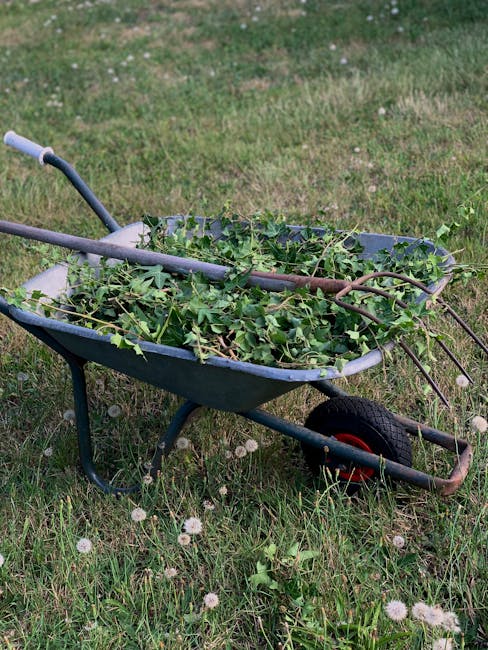
- Wheelbarrow: especially useful if the garden is long or access is uneven
For bigger or more complex clearances, some people prefer to work from a wider service plan rather than handling each type of waste separately. That's where services overview information and a quick look at recycling and sustainability can be useful. It helps you understand what happens after collection, not just how fast the pile disappears.
If you want a local sense of the area before arranging work, this piece on Swiss Cottage's local character offers useful context for how the neighbourhood feels day to day. And for a broader feel of the wider market and property activity, the site's article on resident views on Swiss Cottage living can be a good companion read.
Law, Compliance, Standards, or Best Practice
Garden waste removal should always be handled with care and with proper waste management practices. You do not need to become an expert in disposal law, but it does help to know the basics.
In the UK, waste should be passed to a carrier that is appropriately licensed or registered where required, and the person arranging removal has a duty to be sensible about who they use. That means avoiding vague, cash-only, untraceable arrangements that leave you guessing where the waste ends up. Not worth the risk.
Good practice also means keeping waste streams separate where practical. Green garden waste is often suitable for composting or recycling routes, while contaminated waste or mixed loads may require different handling. A reliable provider should be able to explain their process in plain English, without hiding behind jargon.
Insurance and safety matter too. If there are steps, slippery paving stones, or tight access points, the team should work in a way that protects both people and property. If you want to understand the reassurance behind this, the page on insurance and safety is a sensible place to look.
For trust and legitimacy, it also helps to review waste carrier licence and compliance, terms and conditions, and payment and security so you know how the service is structured before booking.
Options, Methods, or Comparison Table
There is more than one way to deal with garden waste. The right method depends on volume, urgency, access, and how much lifting you want to do yourself.
| Method | Best for | Pros | Trade-offs |
|---|---|---|---|
| DIY bagging and bin disposal | Very small amounts of leaves, grass, and light trimmings | Low immediate cost, simple for tiny jobs | Time-consuming, limited capacity, physically tiring |
| Private garden waste collection | Medium to large clearances, fast turnaround, awkward access | Convenient, often includes loading, good for mixed outdoor clutter | Usually costs more than doing it yourself |
| Combined waste clearance | Gardens plus sheds, garages, or household clutter | Efficient one-visit solution, less coordination | Needs clearer sorting and may take longer to assess |
For many Avenue Road households, the best option is the middle ground: a simple collection service that takes care of lifting, loading, and disposal without turning the day into a project. If the garden job is part of a bigger tidy-up, a wider waste disposal solution can be more efficient than trying to manage each pile separately.
Case Study or Real-World Example
Imagine a typical spring clear-up on Avenue Road. A homeowner has trimmed back an overgrown hedge, cut down a few old shrubs, and finally dealt with a patch of weeds that had been winning for months. The cuttings are piled against the side return, there are several bags of soil from replanting, and a broken planter has turned up as well.
At first glance it looks manageable. Then the bags get heavier once lifted, the branches scratch against the fence, and the path starts to look narrower than before. That is usually when people realise the job needs more than a spare hour.
In a case like this, the best outcome is usually a collection arranged after the waste is sorted into green material and non-green items. The loose branches are bundled, the soil is kept separate, and the broken planter is removed with the general load. The garden is swept once the pile is gone, and the space feels usable again the same day. Small job, big relief.
If the same property also has an old shed full of clutter, the homeowner may choose to pair the garden work with loft clearance in Swiss Cottage or another clearance service depending on where the clutter lives. It's often the combined jobs that create the most visible transformation.
Practical Checklist
Use this quick checklist before collection day. It keeps things simple and avoids the usual last-minute scramble.
- Separate green waste from soil, rubble, and general rubbish where possible
- Cut long branches into manageable lengths
- Bag loose leaves and grass clippings securely
- Keep access routes clear for carrying waste out safely
- Move bikes, tools, pots, and garden furniture out of the way
- Check whether the collection includes loading and sweeping up
- Ask how mixed materials will be handled
- Confirm the agreed time window
- Take a photo of the waste if the job size is changing
- Make sure pets and children are kept clear during loading
A tiny bit of prep saves a surprising amount of faff. That's the truth of it.
Get a free quote today and see how much you can save.
Conclusion
Garden waste removal Avenue Road Swiss Cottage is really about making a good outdoor space easier to enjoy. Whether you are clearing hedge trimmings after a quick tidy-up or dealing with a larger seasonal pile, the right approach keeps the job safe, tidy, and efficient. It also stops waste from sitting around longer than it should, which is better for the property and better for your peace of mind.
If you focus on sorting materials, planning access, and choosing a service that handles waste responsibly, the process is straightforward. Not glamorous, maybe, but straightforward. And sometimes that's exactly what you want from a practical job in London.
When the garden looks neat again and the path is clear, the whole home feels different. Quietly better. A bit lighter.

 Tipper Van - Rubbish Removal and Attic Clearance Prices in Swiss Cottage, NW3
 Luton Van - Rubbish Removal and Attic Clearance Prices in Swiss Cottage, NW3